


Ready. Set. Aim.
We’ve Got the Perfect Combo.
North America's first Airgun Shooting Sports and Social Centre, we offer a one-of-a-kind experience in a fun, lively, and safe environment.
Longshots Shooting + Social, located in Vaughan, brings you the ultimate combination of Airgun & AirSoft Shooting, Axe Throwing, and socialising, right in the heart of the city.
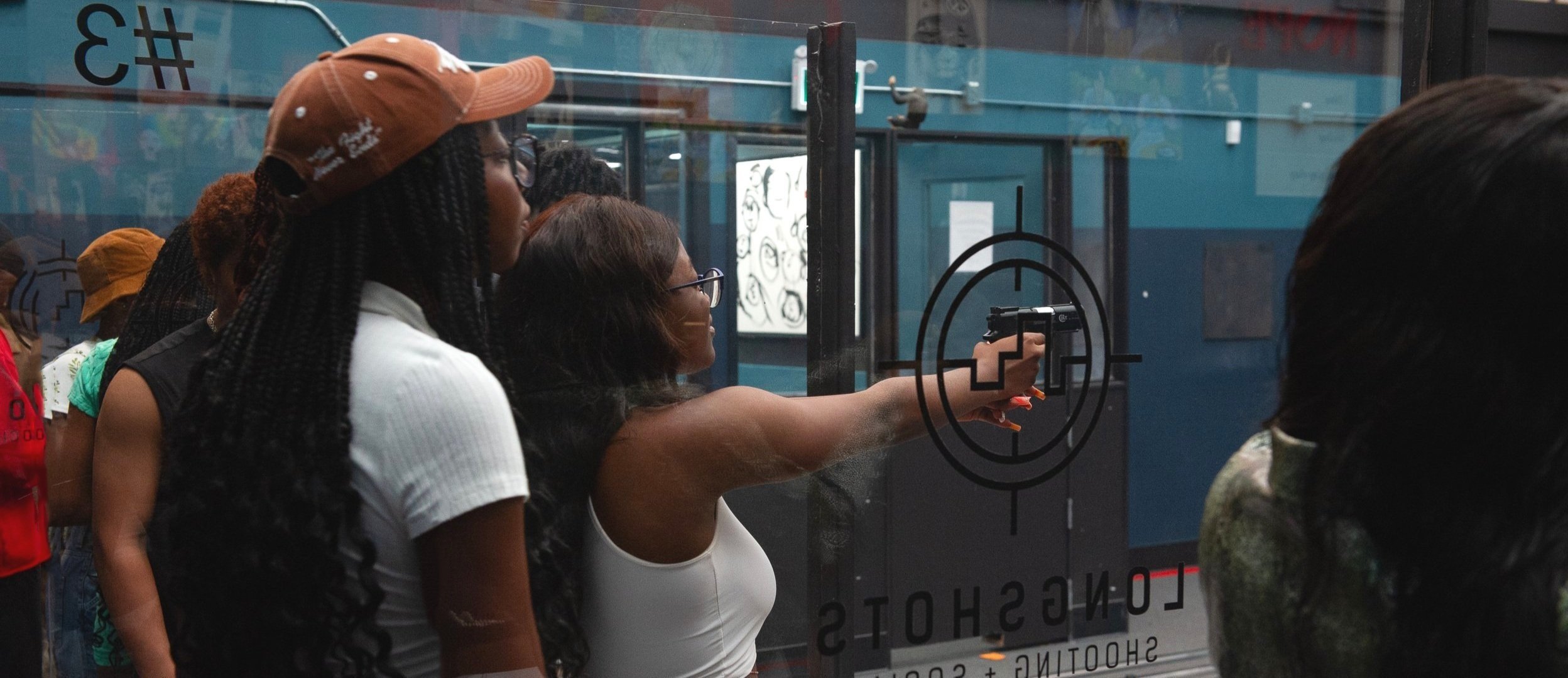
At Longshots Shooting + Social, you can enjoy the thrill of shooting replica airguns in a controlled space without the need for a firearms licence. No need to travel far to ranges—our indoor venue allows participants from ages 8+ to take part in a new and exciting activity.
But the adventure doesn’t end when you lower your airgun. After your shooting session, grab a drink, have some snacks, and kick back while watching others take aim. As part of the best shooting club in Vaughan, you’ll enjoy a vibrant atmosphere that keeps the excitement going long after your turn is over.
Whether you're hosting a birthday, bachelor, bachelorette party, school reunions, corporate event or a private party, Longshots provides the perfect blend of fun and team building. Our dynamic experience combines the excitement of target shooting with the opportunity to strengthen connections and boost team morale, all while enjoying a memorable social atmosphere.
Perfect for those seeking a unique outing or wanting to try something out of the ordinary, Longshots Shooting + Social, the top social centre in Vaughan, makes sure your day is filled with excitement and laughter.
Looking for the perfect corporate event space in Vaughan? Longshots provides a vibrant and exclusive venue ideal for any corporate get-together. From team-building activities that include airgun shooting and axe throwing to a social space for networking and relaxation, we offer a stimulating alternative to conventional corporate event venues in Vaughan.
Our spacious and well-maintained corporate event hall in Vaughan ensures your event is exceptional and enjoyable. Whether it's a product launch, employee acknowledgment day, or a company retreat, Longshots offers an unparalleled experience with a touch of adventure and excitement.
Booking your next event became easier with our corporate event hall bookings in Vaughan. We have customisable packages tailor-made to your needs, ensuring your guests get unforgettable memories. From setup to snacks, we take care of every detail to create a stress-free and successful event.
Note: We use safe, replica airguns—not actual firearms.

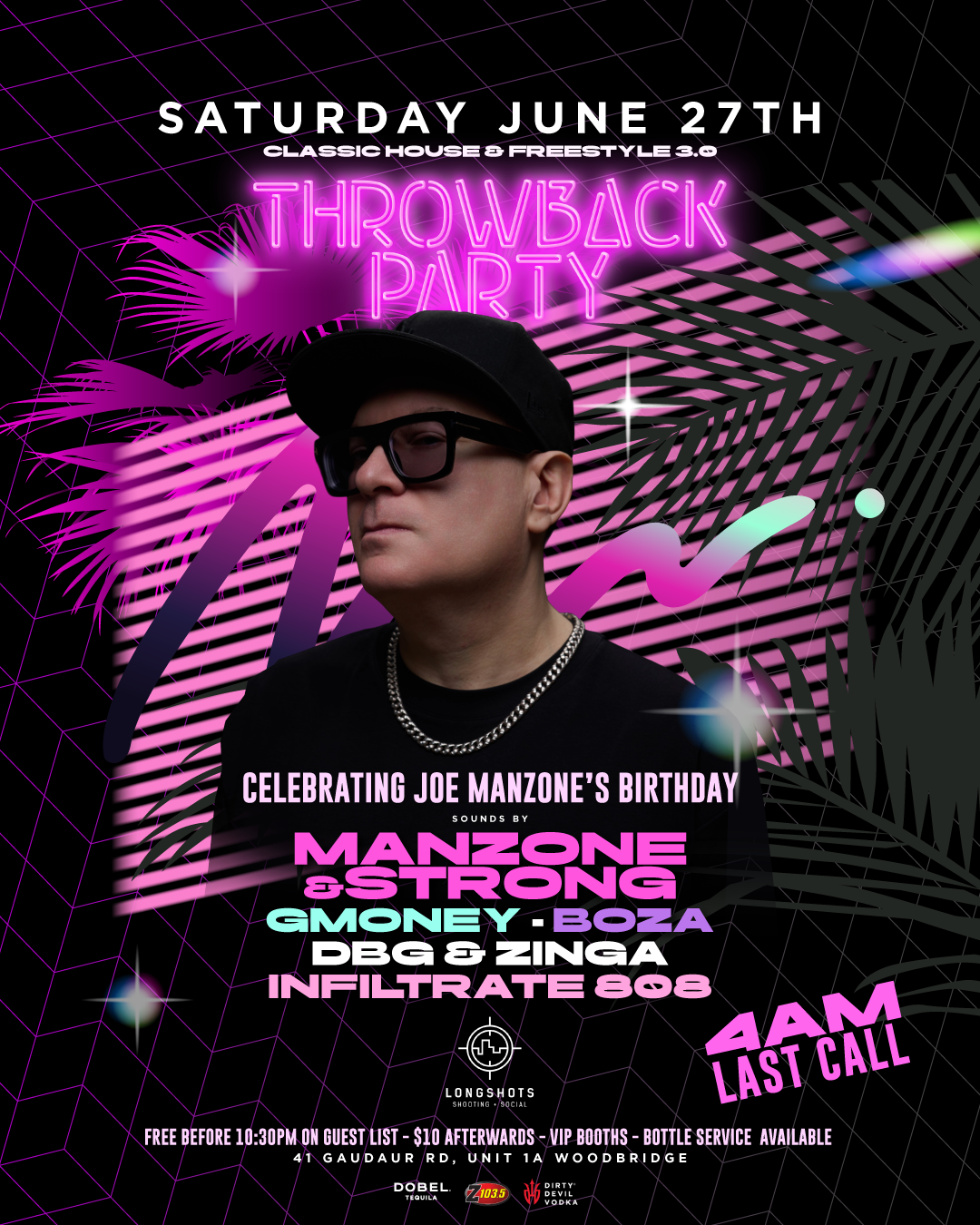
Get ready for an extra special THROWBACK PARTY edition! If you missed the last throwback party, this is the one you don’t want to miss!
Join us as we celebrate @joemanzone birthday in THE BRIDGE with a night full of classic vibes, great music, and unforgettable energy.
🔥 SOUNDS BY:
Manzone & Strong and the notorious GMoney @housethang4lyfe
To make the celebration even bigger, @djbozamusic will be making his debut at Longshots! We’ll also be celebrating their latest track release, “Rising,” featured on Robbie Rivera’s legendary label Juicy Music @juicymusic
Expect an unforgettable night as DBG and Zinga make their first official debut as the duo @zingaxdbg joining @infiltrate808dj for this massive throwback edition!
Bringing you the best in House, Throwback, Tribal, Funky, and Classic party vibes all night long.
⚡ FREE RSVP before 10:30PM
⚡ $10 at the door after 10:30PM
⚡ 4AM LAST CALL
⚽ FIFA Viewing Party
VIP booths & bottle service available
RSVP or inquire about booths/bottle service
41 Gaudaur Rd, Unit 1A, Woodbridge
Email for guestlist, VIP tables & bottle service reservations.

🌍 International DJ Danilo Gravina – Live at Longshots
Longshots is going global. International DJ and producer Danilo Gravina is flying in from Australia for a special one-night performance in Toronto on September 12th.
Known for his electrifying mix of house, deep house, and Latin-influenced dance music, Danilo Gravina has been building a worldwide following with high-energy sets that keep dance floors moving all night. His sound blends driving house beats, melodic builds, and infectious rhythms made for unforgettable nights out.
With tracks like “Alive” and “Heart Went Boom” gaining attention across streaming platforms, Danilo continues to rise as an international artist bringing fresh energy to the global electronic music scene.
🔥 Presale tickets are available now for a limited time — only $25.
Once presale ends, tickets will increase to $40, so grab yours early.
This is a rare chance to see an international DJ from Australia performing live in Toronto, bringing his signature sound directly to the Longshots stage for one night only.
🎟️ Get your tickets before they’re gone.
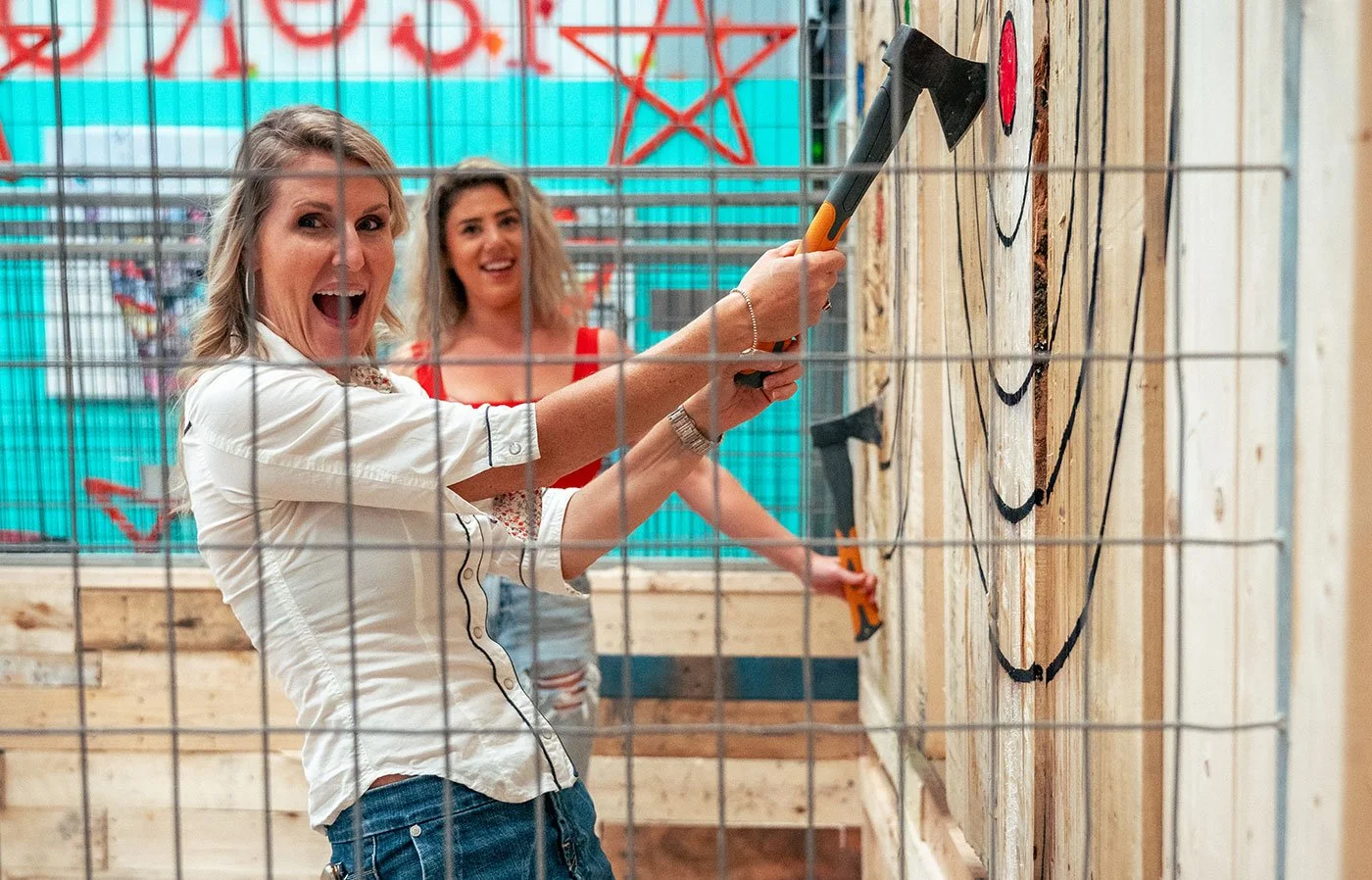
Try our Axe Throwing
Step into the rugged ambiance of our Axe Throwing arena, where precision meets excitement. With a coach to guide you on your axe hurling journey. Whether you're a seasoned thrower or a complete beginner, our immersive experience guarantees a thrill-filled adventure for all!
Subscribe Now
Sign up with your email address to receive news, updates and discounts. We respect your privacy.
Visit
Walk-ins
NO LANE RESERVATION?
NO PROBLEM.
Walk-ins are available for a packaged experience on a first come, first serve basis. Groups of 7 or more are strongly advised to call ahead on weekends.
Reservations
PLEASE COMPLETE THE REQUIRED PARTICIPATION WAIVER AND SAFETY FORM
*Deposits are non-refundable, unless appointment is cancelled. Appointments must be cancelled 24 hours in advance.

Pricing
Our pricing includes everything: Airgun rental, pellets, CO2, eye protection and a safety crash course.
Package prices are per lane, not per shooter
Capacity of the lane is 2 people by default
All guns mentioned are airgun replicas, not firearms. If a package is booked, your deposit will not be returned if a refund is requested less than one day in advance.
*Adding a 3rd person will be +50% extra and comes with extra time and targets (50% of the package)
Shooting Packages
Choose from one of our several packages that best suit your taste for shooting. Please click the button to see what the guns look like!
*Pictures only serve as an example of the type of guns included in the package. Models may vary.

-
30 Mins Exclusive Range Lane Use
Sniper Rifle: Unlimited Rounds
1 Premium Paper Target
-
30 Mins Exclusive Range Lane Use
Semi-Auto Handgun: Unlimited Rounds
1 Premium Paper Target
-
30 Mins Exclusive Range Lane Use
Sniper Rifle: Unlimited Rounds
Semi-Auto Handgun: Unlimited Rounds
2 Premium Paper Targets
-
30 Mins Exclusive Range Lane Use
Sniper Rifle: Unlimited Rounds
Machine gun: 400 rounds
2 Premium Paper Targets
-
30 Mins Exclusive Range Lane Use
Semi-Auto Handgun: Unlimited Rounds
Machine gun: 400 rounds
2 Premium Paper Targets
-
40 Mins Exclusive Range Lane Use
Premium Sniper Rifle: Unlimited Rounds
Premium Handgun: Unlimited Rounds
Gas Operated Machine gun: 200 rounds
3 Premium Paper Targets
*Limited availability
-
60 Mins Exclusive Range Lane Use
Sniper Rifle: Unlimited Rounds
Semi-Auto Handgun: Unlimited Rounds
Machine gun: 400 rounds
4 Premium paper Targets
-
Minimum 30 Mins
Up-to 1.5 Hours Exclusive Range Lane Use (up to 2 shooters)
BYOG(Bring your own gun)
1 Premium Paper Target
-
30 Mins Exclusive Range Lane Use (up to 2 shooters).
Semi-Auto Handgun: Unlimited Rounds.
Six-Shooter Revolver: Unlimited Rounds
Pink CM16 Machine Gun: 400 rounds (4 magazines).
2 Premium Paper Targets.
Axe Throwing
For those looking to go for a more rustic experience. Choose from one of our axe throwing packages.
Prices are for weekday/weekend
All the Prices are per person
Discount available on Axe Throwing when combined with Shooting Packages.
-
60 Mins Exclusive Lane Use
2 Person minimum
-
120 Mins Exclusive Dual Lane Use
4 Person minimum
-
20 Mins Exclusive Lane Use
Enhance your experience by getting this add-on
Must have a standard shooting package to book
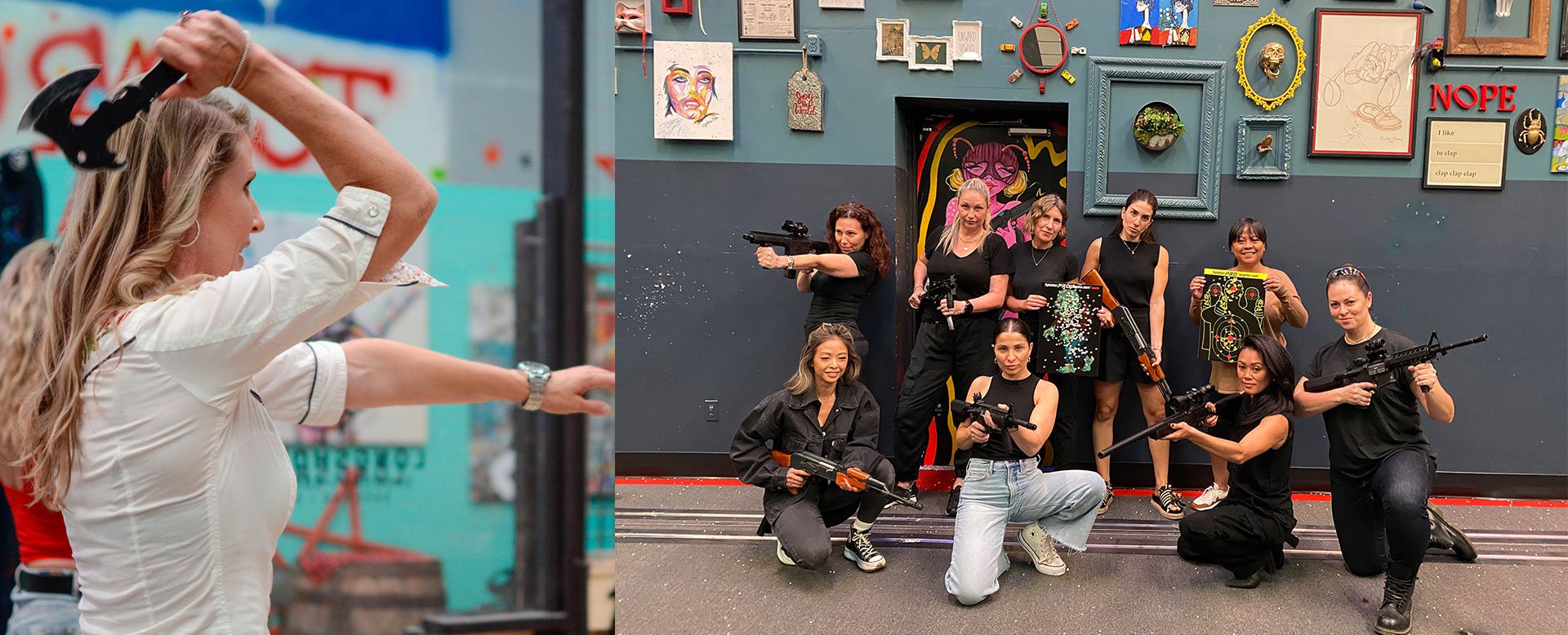
“My husband and I had the best time here! So many fun things to do from shooting to pool and ax throwing. The staff is very friendly and the vibe is great. Perfect for a date or a hangout with friends. We’ll definitely come back”

“Awesome place! Frank was super accommodating, super nice guy :) There are a lot of games around too while waiting (foosball, airhockey and pool). Theres also axe throwing! Great vibes~~”
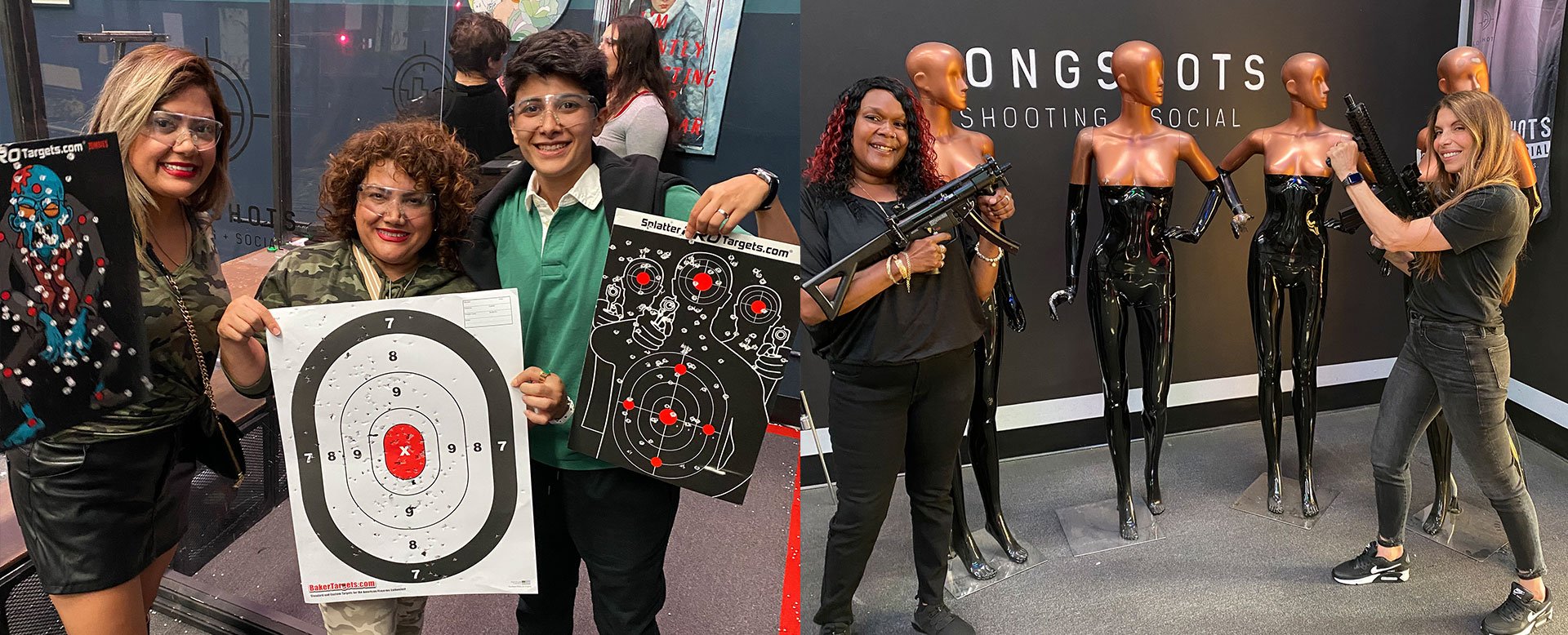
“Amazing place, friendly staff, and a fantastic atmosphere! I definitely want to come back it was so much fun and bring lots of friends. The space is big and there is room for everyone!”
“We really had an amazing time here and Frank was so helpful and nice. He explained the process and various packages. There are fun games also which are all FREE! with every package you get. You definitely can spend time to relax, chill and have fun with yourself or with anyone you bring alone. Thanks for the hospitality!”
Party/Private Event Booking
*10 Person Minimum, Discounts may apply.
Our Guns
-
![]()
Artemis Multi Shot .22 CO2 Air Rifle
-
![]()
Diana Diana Chaser .22 Cal CO2 Pistol
-
![]()
TANFOGLIO WITNESS 1911 CO2 BLOWBACK STEEL BB GUN
-
![]()
KJW Co2 CZ-P09
-
![]()
Matrix VSR-10 Matrix VSR-10
-
![]()
Umarex Glock 17 Gen3
-
![]()
Raven M4 Carbine AEG
-
![]()
Stoeger S3000C
-
![]()
CYMA Full metal & Real Wood AK-47 AEG


